Play with Purpose, Not Just “Feeling”
Mar 02, 2026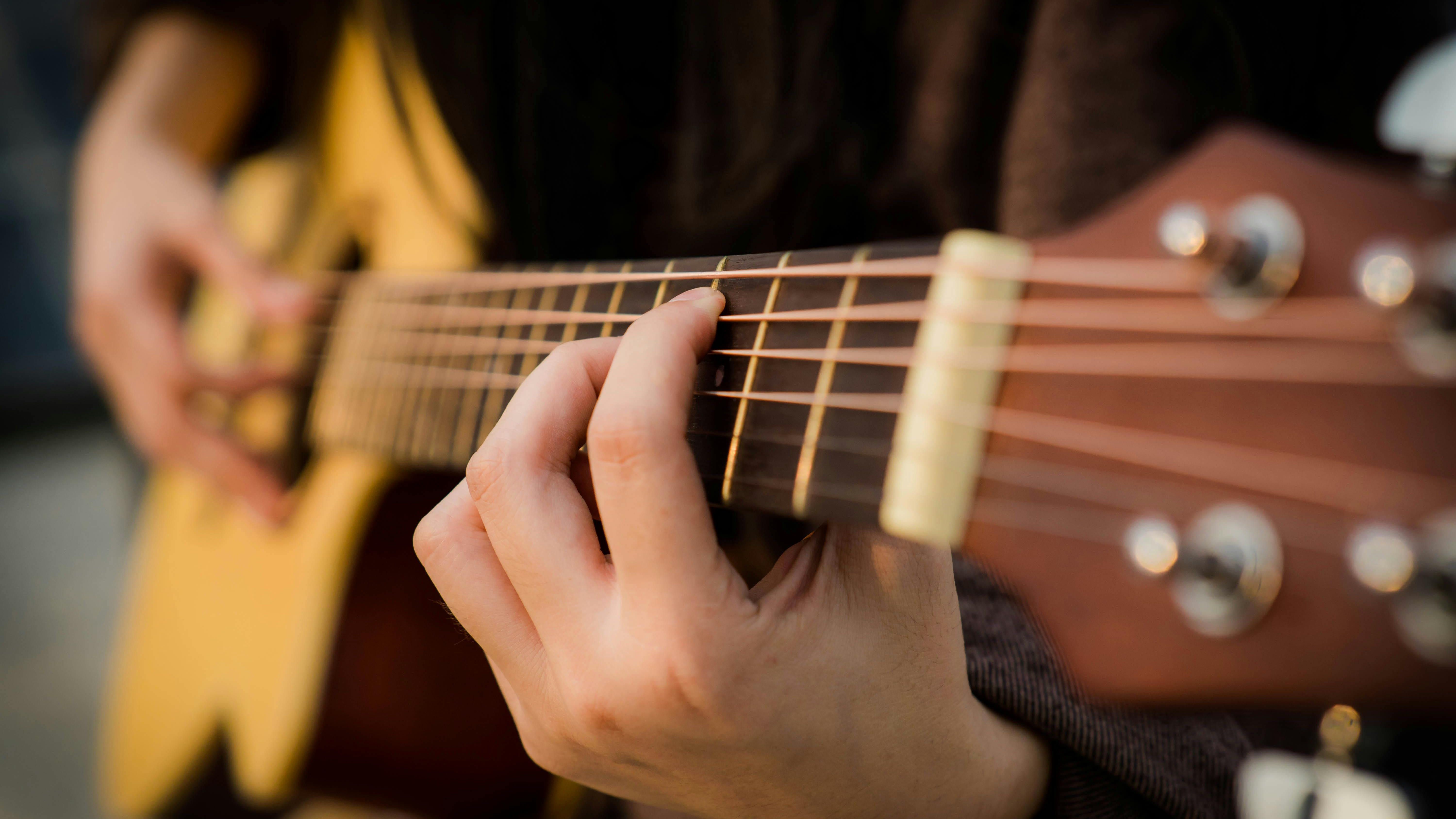
Every now and then I find myself thinking about the advice musicians give each other. The older I get, the more I realize there’s a lot of well-intentioned guidance floating around that creates some pretty unrealistic expectations.
One phrase that comes up a lot is the idea that musicians should “play with feeling.”
At first glance, that sounds perfectly reasonable. After all, music is emotional. The goal is to connect with the listener. But when you look a little closer, the advice starts to fall apart.
Let’s think about how feelings actually work.
Strong emotions can override the rational part of the brain. A classic example is the fight-or-flight response. When the brain senses a threat, it shuts down the analytical side and pushes us into instinctive action.
That response is useful in a survival situation. It’s not so useful when you’re trying to perform music.
Emotions can be unpredictable. They can make us rush, hesitate, forget parts, or lose our place entirely. If you rely on whatever you happen to be feeling in the moment to guide your playing, your results will be inconsistent at best.
Consider a singer performing a dramatic piece. Do they need to actually feel angry to sing an angry song? Do they have to become genuinely sad to perform a sad one? Imagine the emotional roller coaster that would create over the course of a concert.
Instead, skilled performers rely on technique.
My background includes classical training, and in classical music you’ll see detailed instructions written directly into the score. Dynamics, articulation marks, phrasing—each of these tells the performer how the music should be delivered.
Those markings are essentially instructions for shaping the listener’s emotional experience. The performer doesn’t have to feel those emotions personally in the moment. They simply apply the techniques that communicate them.
The same principle applies to guitar playing.
If a piece of music is meant to sound aggressive, there are techniques that create that effect. If it’s meant to sound melancholy, there are phrasing choices that help convey that mood. Bends, vibrato, dynamics, articulation, timing—these are the tools that shape the emotional character of a performance.
So here’s my suggestion.
First, enjoy playing guitar. That part should go without saying.
Second, play with purpose.
If a song is meant to sound sad, learn the techniques that convey sadness and apply them deliberately. If it’s meant to sound powerful or energetic, use the techniques that create that effect.
Playing an instrument can be deeply satisfying for the musician. But performance itself is ultimately for the audience. Your job as a player is to guide their experience—and that requires intention more than emotion.